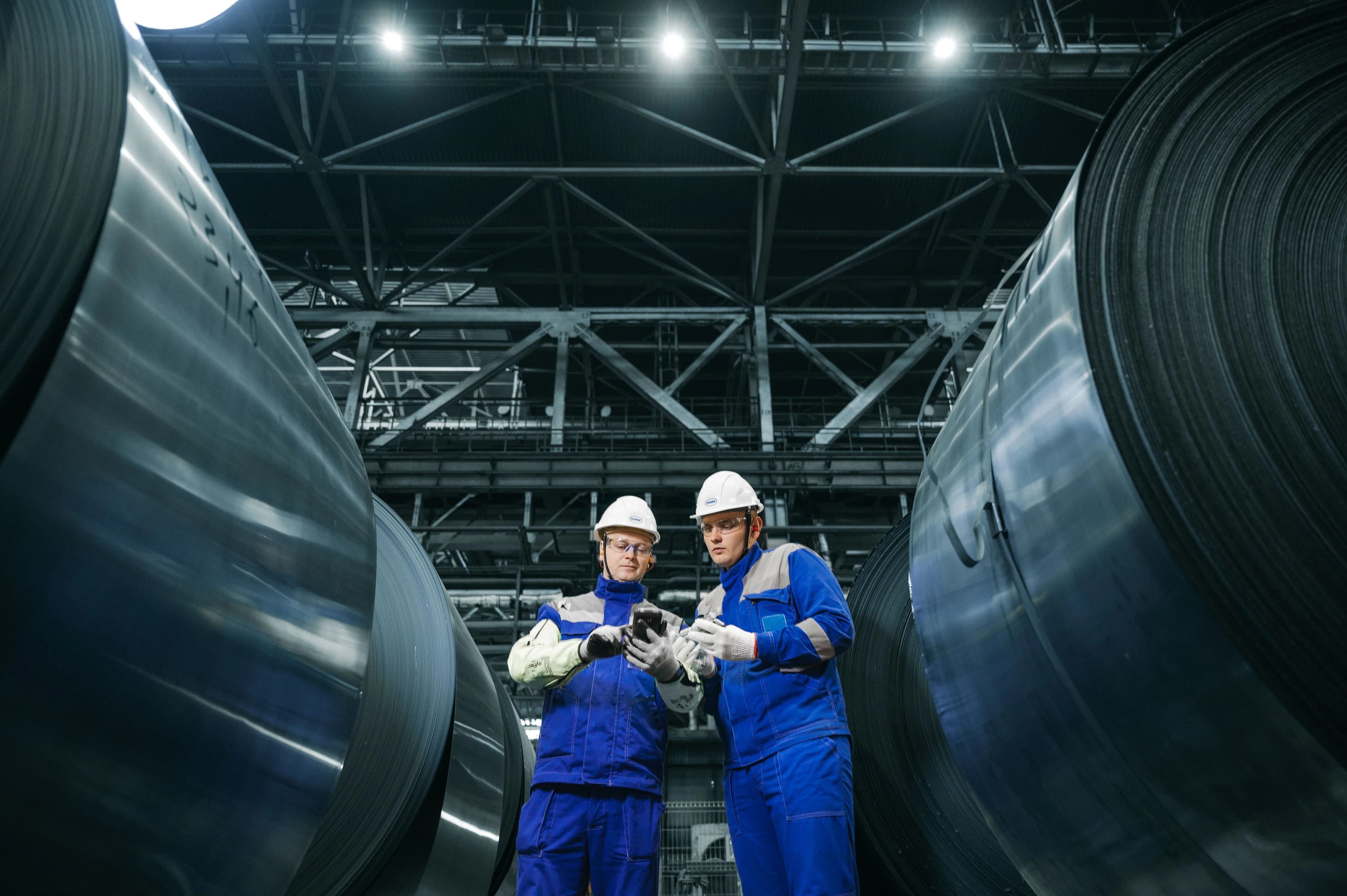
Trade category
Metals & Minerals
Steel, non-ferrous metals, ores, concentrates and scrap.
Overview
Trading metals & minerals.
Metals and minerals trade turns on chemistry, standards and assay. Small specification differences change suitability and value.
Contracts commonly reference recognised standards, sampling and assay procedures, and the tolerance on quantity.
- Steel products
- Copper
- Aluminium
- Iron ore
- Ferroalloys
- Metal scrap
Product pages
Steel productsCommon trade characteristics
What usually defines the deal.
General characteristics of the category. Specific requirements always depend on the product, the parties and the destination.
- Specification
- Chemical composition, mechanical properties, dimensions and the governing standard.
- Assay & sampling
- Who samples, where, and which laboratory result governs.
- Quantity tolerance
- A plus/minus tolerance on quantity is common.
- Logistics
- Containerised or break-bulk depending on product and volume.
For buyers
Buyer considerations
- Reference the standard and grade you need.
- Specify the assay or test certificate you will accept.
- State tolerance on quantity and dimensions.
For suppliers
Supplier considerations
- State the standards you produce to and test against.
- Indicate mill or producer status versus trading.
- Describe monthly capacity realistically.
Documents often involved
Typical examples only. Requirements vary by product, origin and destination — always confirm with the relevant authority or adviser.
- Mill test certificate
- Certificate of analysis
- Certificate of origin
- Inspection certificate
- Bill of lading
Category intelligence
Understand the market for metals & minerals.
Compare specifications, origins and commercial terms using information with clear sources.
Metals & Minerals
Looking to buy? Looking to sell?
Tell us about your metals & minerals requirement or supply. The category is already filled in.
Loading form…